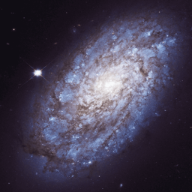
Find Your Hubble Birthday Image from NASA Archives
Enter your birthday and discover the official Hubble birthday image for that date. Browse 366 days of deep-space photos, then explore related galaxies, nebulae, clusters, and Solar System targets.
Start from your date, then navigate the full Hubble birthday collection by category, month, and featured discoveries.
Explore the Hubble Birthday Archive
Explore the full Hubble birthday archive through curated category, month, and featured sections.
Explore Hubble Birthday by Category
Browse Hubble Birthday by Month
Featured Hubble Birthday Days

What Is Hubble Birthday?
Hubble Birthday is a searchable way to explore what the Hubble Space Telescope observed on each calendar day. It helps users quickly discover a birthday image, understand the science context, and jump into related observations.
- One Date, One Space StoryEvery day points to a specific Hubble image and an explainer built from source-based references.
- Explore by Type and MonthNavigate by galaxies, nebulae, star clusters, planets, and month hubs to discover patterns across the year.
- Built for Curiosity and SEO DiscoveryKeyword-focused pages like "hubble birthday" and date-specific routes help users find images naturally via search.
How People Use Hubble Birthday
From personal discovery to astronomy education, Hubble Birthday supports multiple exploration paths.

Birthday Image Finder for Daily Discovery
Type any birthday and open a matching Hubble birthday page with the original image, date context, and source-backed science notes. From that page, users can continue into related objects, nearby dates, and category hubs without losing the discovery flow.

Classroom and STEM Content Curation
Teachers, newsletter writers, and STEM creators can use Hubble birthday pages as ready-to-use visual explainers. Each entry combines an image, concise interpretation blocks, and FAQ-style answers, making it practical for lesson intros, social posts, and short educational modules.

SEO Landing Paths Around Hubble Birthday
Search visitors can enter through high-intent routes such as month hubs, category collections, or exact date pages tied to the keyword hubble birthday. Internal links then guide them deeper into the archive, increasing session depth while keeping topical relevance clear.
Why This Hubble Birthday Project Works
The site is structured to help both users and search engines understand each image quickly.
Date-Centric Navigation
Every date page uses a stable URL and clear metadata structure so search engines and users can understand the exact Hubble birthday context quickly. This route design also improves internal discovery from homepage modules, month hubs, and category pages.
Source-Driven Content Blocks
Each detail page is organized into source-backed context blocks, interpretation notes, and FAQ-style explanations so users can move from image appreciation to scientific understanding. This structure improves readability while maintaining confidence and citation clarity.
Entity-Based Taxonomy
Category hubs and month hubs map user intent to the right subset of archive pages, helping visitors discover related galaxies, nebulae, clusters, and Solar System targets. It also strengthens topical relevance for long-tail hubble birthday search journeys.
Image-First Experience
Large-format images remain central to the experience, while lightbox viewing and structured detail modules keep exploration fluid across desktop and mobile. Users can inspect visuals first, then continue into context, related pages, and deeper thematic paths.
Search-Friendly Architecture
The site architecture combines static generation, sitemap coverage, canonical URLs, and structured metadata so hundreds of pages stay crawlable and coherent. This foundation supports scalable growth for hubble birthday queries without sacrificing page clarity.
Clear Route-to-Intent Matching
Homepage modules, date pages, month hubs, and category routes are aligned to real user intent around hubble birthday discovery, so visitors can move from broad exploration to specific image detail without friction.
How Hubble Birthday Content Is Structured
The project combines static generation, source mapping, and modular blocks for scalable SEO pages.
Date Route Generation (01-01 to 12-31)
Each calendar date has a dedicated detail route with image, context, and cross-links to related exploration pages.
Source and Editorial Separation
Sources and editorial content are stored separately, enabling iterative quality upgrades without rewriting page components.
Category and Month Hub Layer
Category and month pages provide semantic grouping that supports both navigation depth and keyword discovery.
Metadata and Structured Data
Canonical URLs, hreflang links, FAQ schema, and concise descriptions improve crawl clarity and SERP presentation.
How Users Describe Hubble Birthday
Short reactions from users exploring their Hubble birthday images.
Astronomy Learner
Daily Explorer
"I searched my date and instantly got a Hubble birthday image with context I could actually understand."
Teacher
STEM Classroom
"The date pages and FAQs are perfect for quick classroom prompts and space-science storytelling."
Content Creator
Science Newsletter
"Category hubs make it easy to find clusters of images for themed posts and weekly astronomy content."
Space Enthusiast
Archive Browser
"I came for my birthday photo and stayed to browse month-by-month through the whole Hubble archive."
Hubble Birthday Frequently Asked Questions
Quick answers about finding and using Hubble birthday images.
What is a Hubble birthday image?
It is a Hubble Space Telescope image associated with a specific calendar date in the annual archive.
How do I find my Hubble birthday photo?
Use the birthday finder page, choose your month and day, and open the linked detail page.
Are these official NASA images?
The project references official mission and archive sources; each detail page links to the cited source entries.
Can I browse without entering a birthday?
Yes. You can explore all days, browse by month, or open category hubs directly.
Why are there category pages?
Categories group similar objects like galaxies or nebulae, helping users discover related images faster.
What keyword does this site focus on?
The primary keyword focus is "hubble birthday" with supporting long-tail date and object queries.